
The Center of the Web
Microsoft on the Map, Chapter 2

Introduction

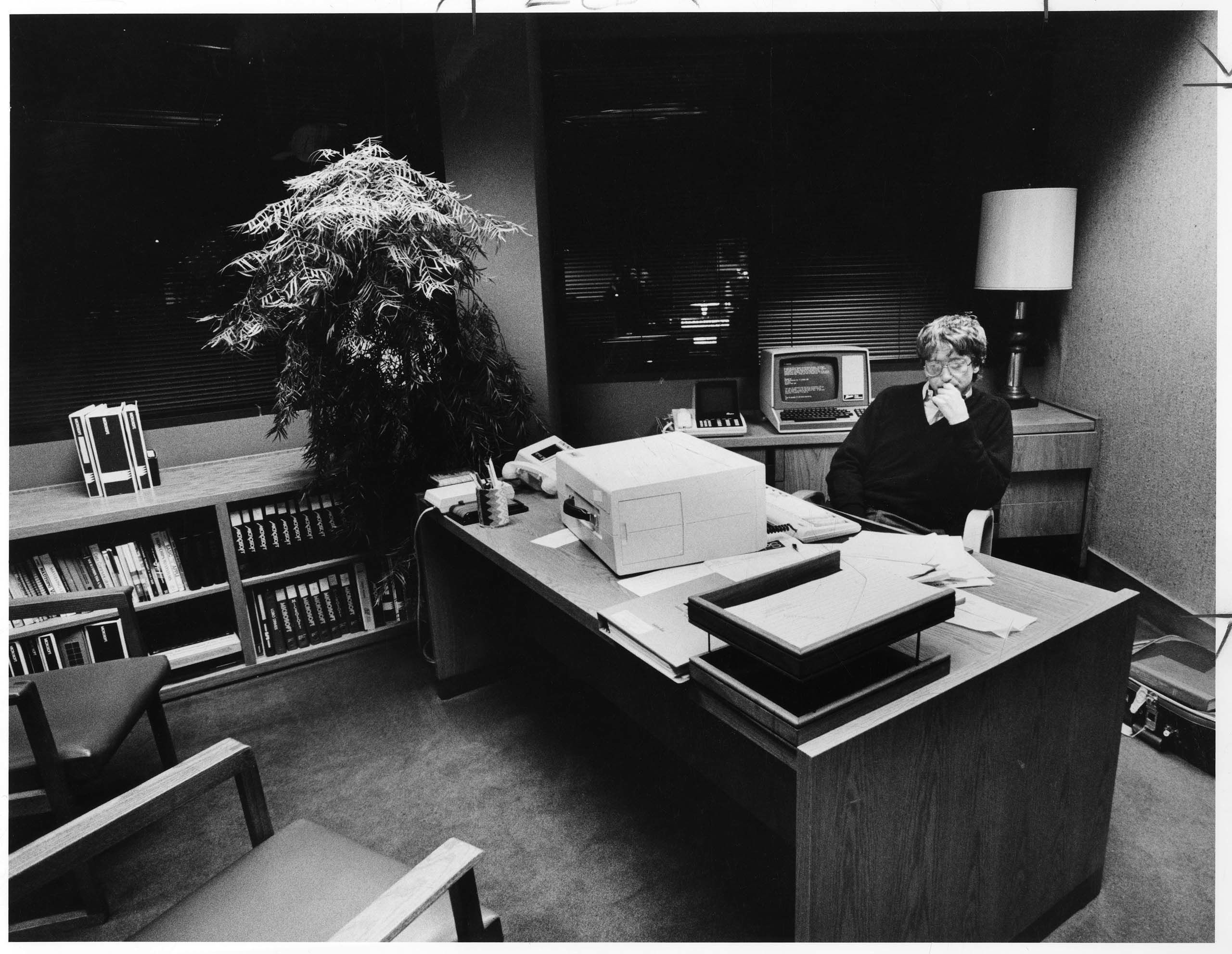
Bill Gates in his office at Microsoft, 1984. MOHAI, Seattle Post-Intelligencer Collection, 2000.107.073.18.01, photo by Sherry Bockwinkel.
Bill Gates in his office at Microsoft, 1984. MOHAI, Seattle Post-Intelligencer Collection, 2000.107.073.18.01, photo by Sherry Bockwinkel.
When Microsoft moved to the Seattle area in 1979, it joined a growing network of tech companies. Settling on the Eastside, Microsoft expanded as personal computers became more popular. Over the next few years, they added new products and grew quickly. By their 10th anniversary in 1985, Microsoft was a well-known name in the computer world.
As the company grew, so did the region’s tech scene—impacting countless lives, changing the face of the city, contributing to a growing economy and global connection, while also intensifying the challenges of income inequality, housing affordability, and the cultural impact of social media.
Back to Seattle









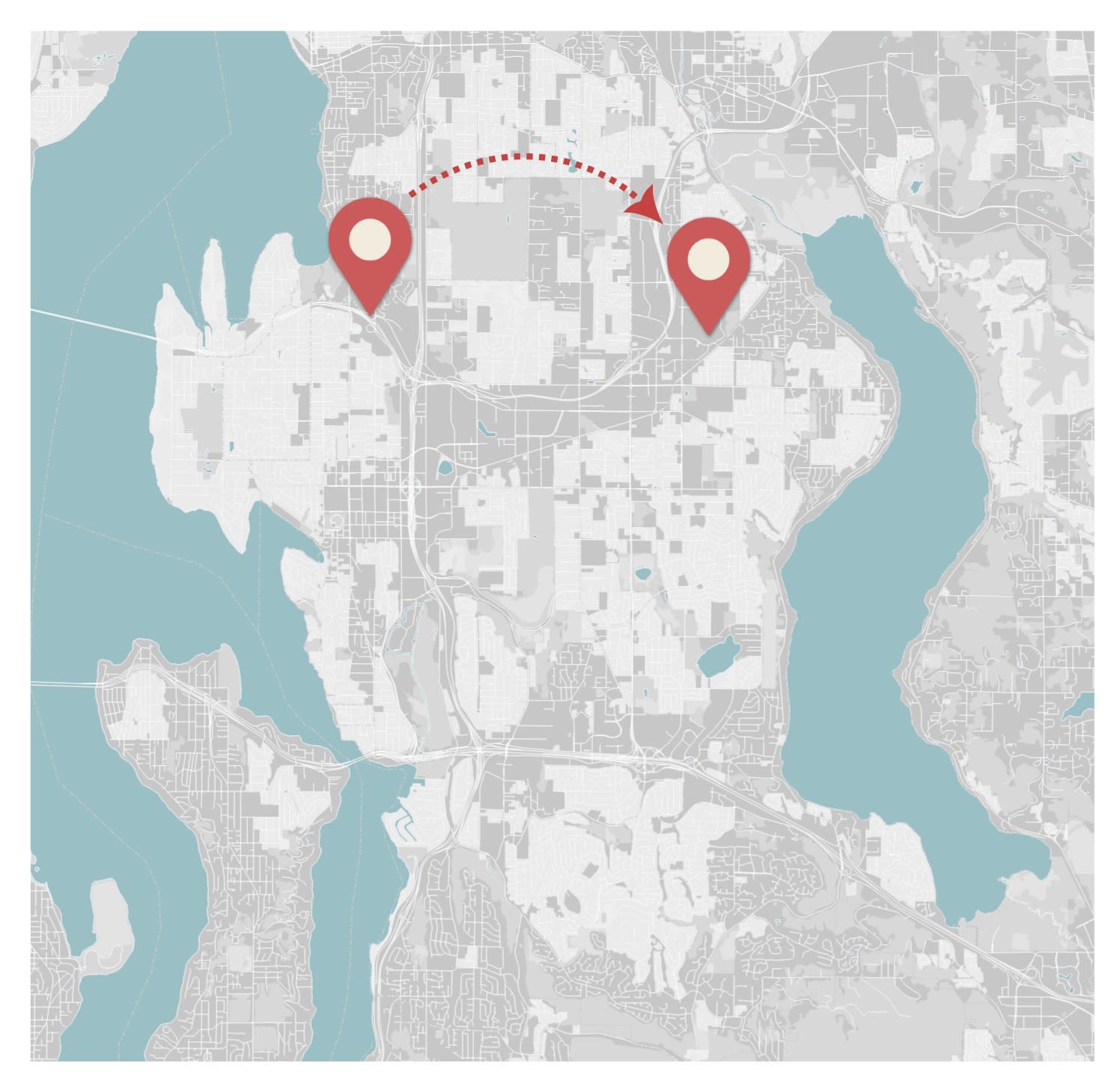
By 1979, Microsoft had outgrown its first home in Albuquerque, NM.
In part, they found that Albuquerque at that time did not have a rich network of other computer companies.
On the other hand, the network of high-tech companies in Seattle had continued to grow. And so they returned to the Pacific Northwest.

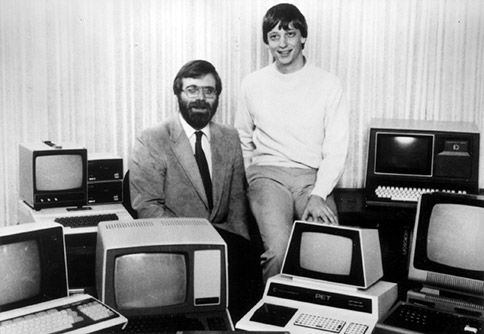
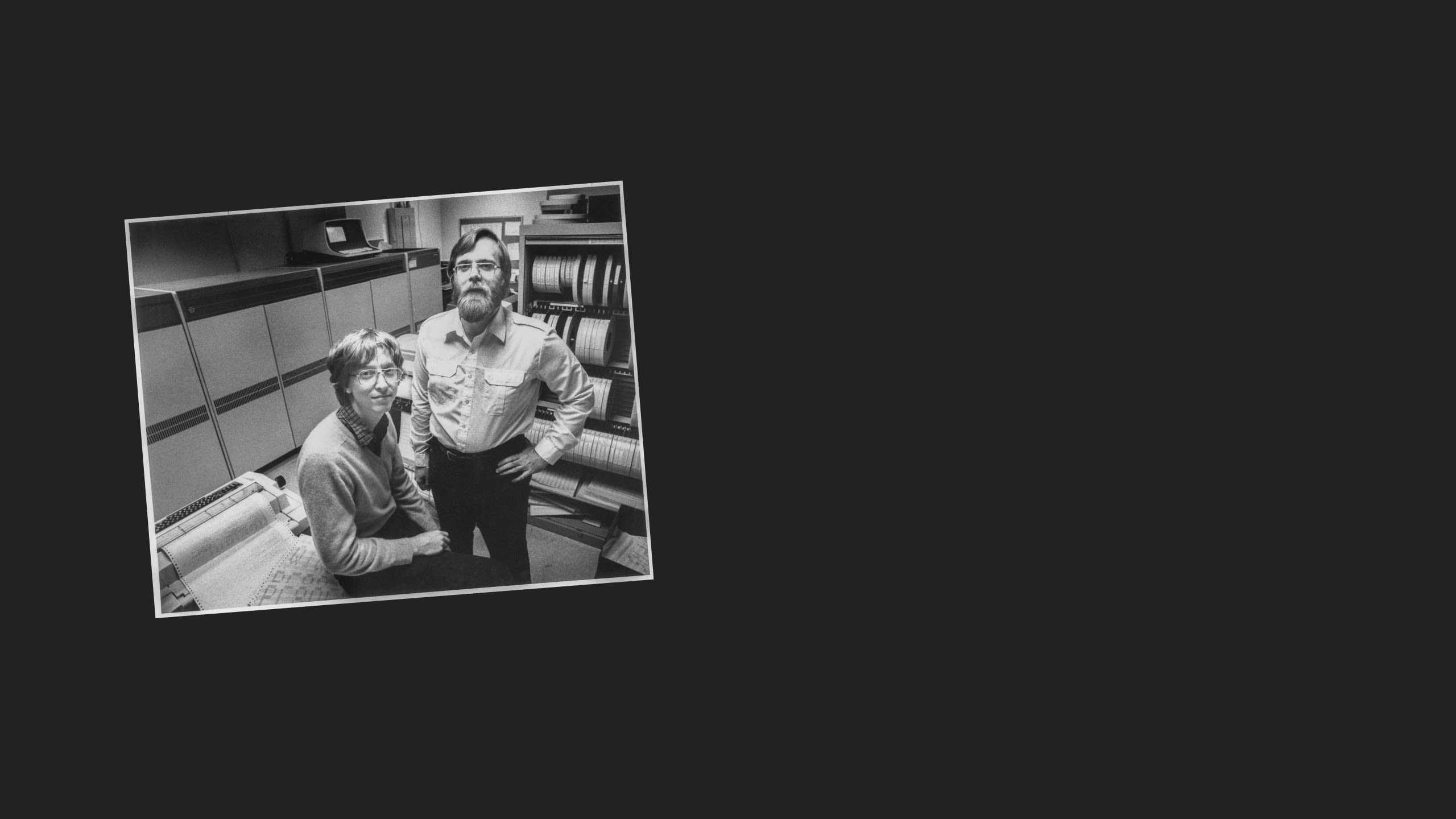
Bill Gates and Paul Allen among early microcomputers, 1975. Microsoft Archives.
Bill Gates and Paul Allen among early microcomputers, 1975. Microsoft Archives.

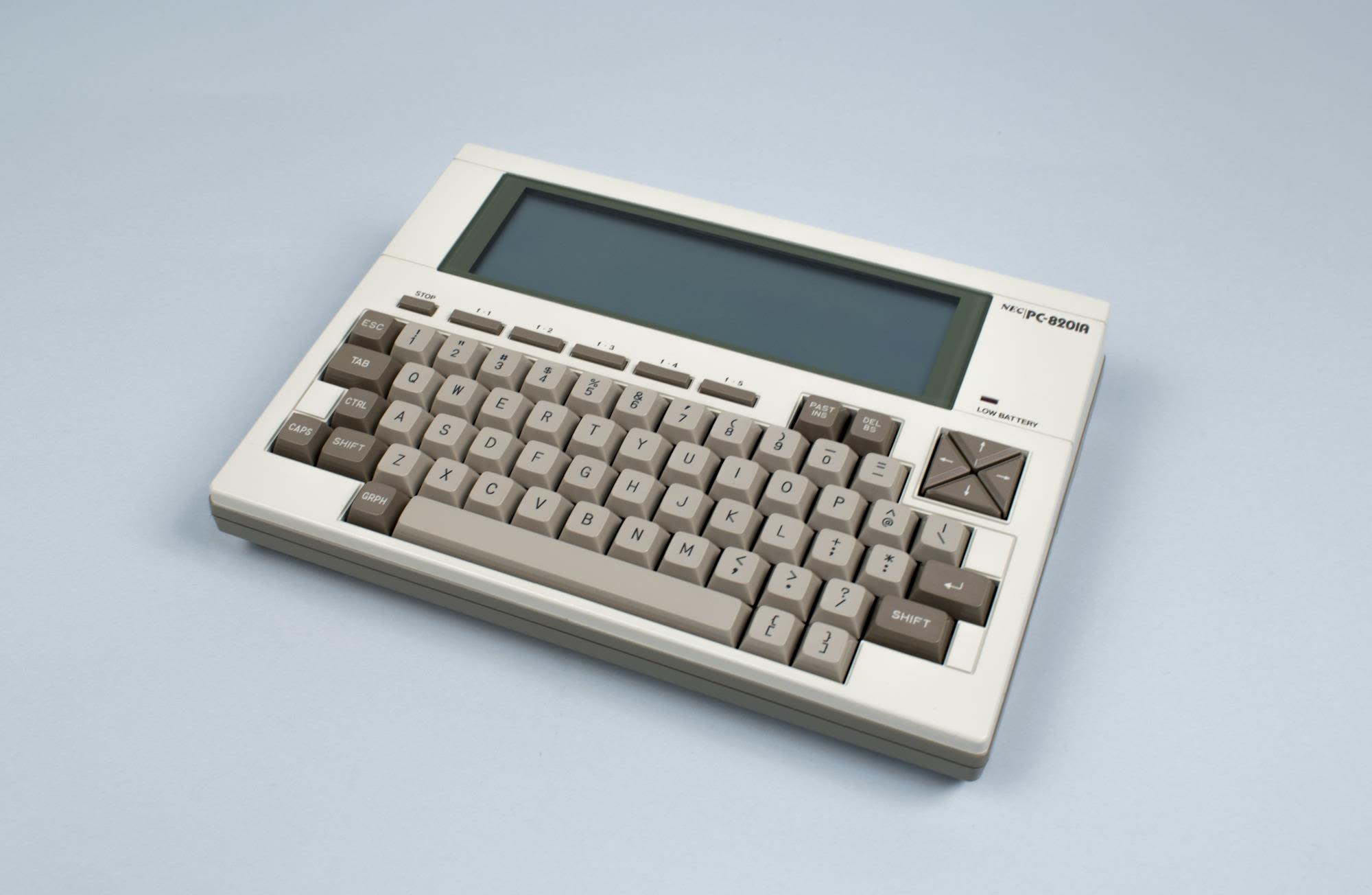
They settled in Bellevue, a fast-growing city just east of Seattle.
In Bellevue, Microsoft expanded beyond Altair BASIC, creating new programming languages like FORTRAN, COBOL, and Pascal.
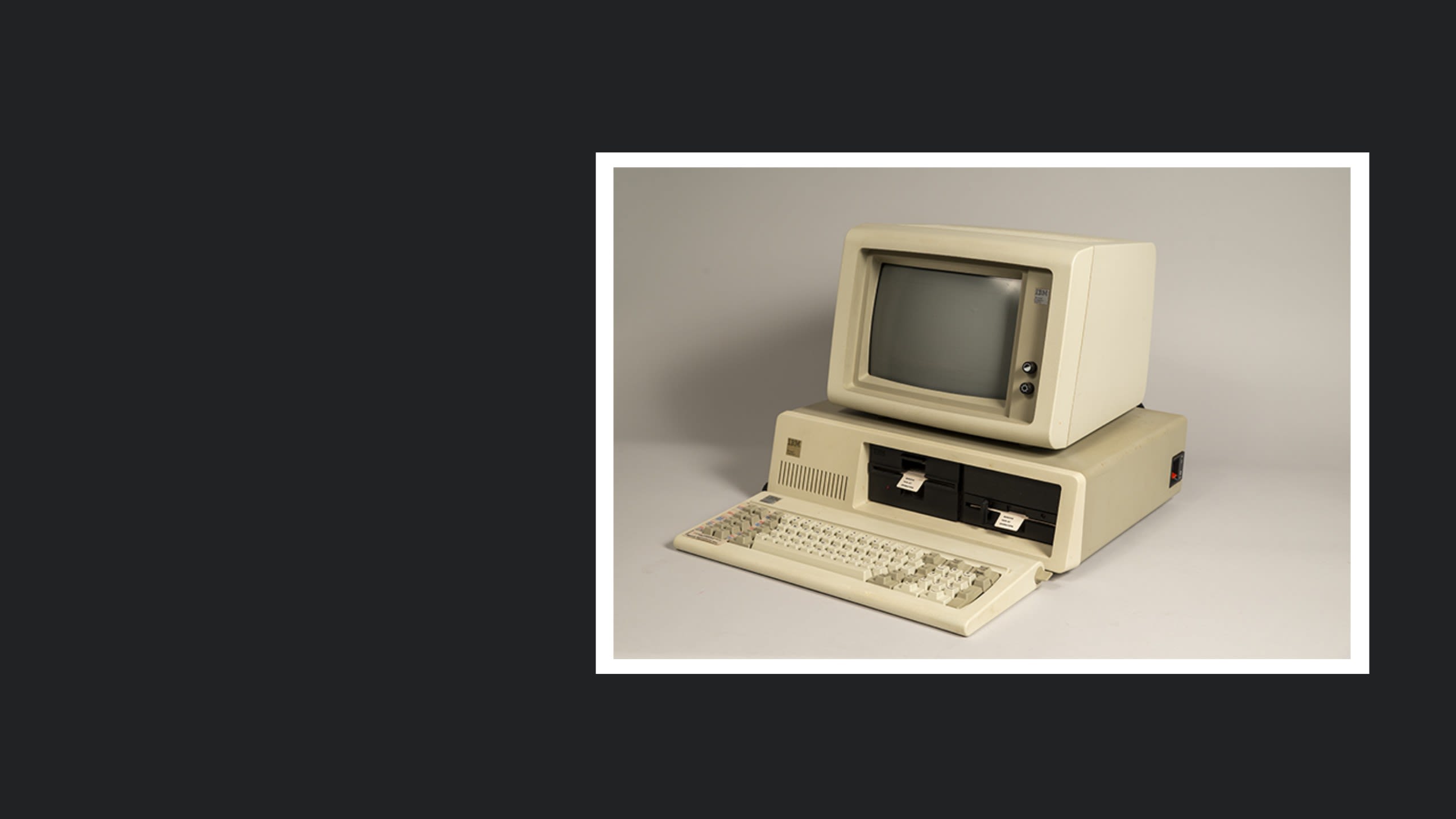
A big moment came in 1980 when Microsoft partnered with IBM to develop an operating system for its new personal computer. They bought the operating system QDOS, modified it, and launched it as MS-DOS in 1981—quickly becoming the go-to system for IBM-compatible PCs.

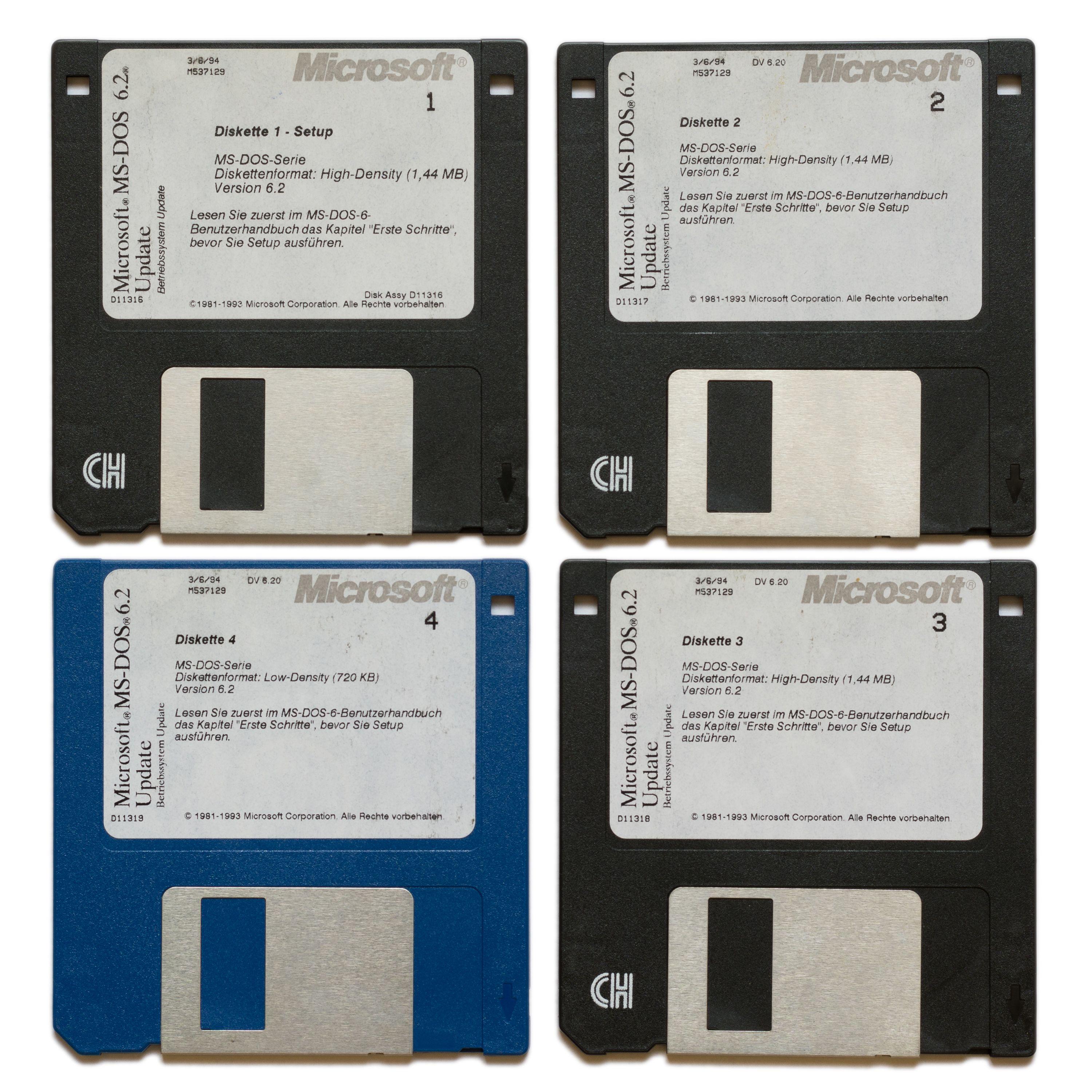
MS-DOS 6.2 Update Install Floppy Discs. Wikipedia.
MS-DOS 6.2 Update Install Floppy Discs. Wikipedia.
As personal computers became more common, Microsoft branched into application software, introducing Multiplan (1982) and Microsoft Word (1983). Then, in 1983, the company unveiled Windows 1.0, a graphical interface designed to compete with Apple’s Macintosh.
In the early 1980s, Fred Moody, a freelance typesetter and later journalist, visited Microsoft’s Bellevue office.
Later, he described the what he saw:
“How can I explain how strange it was to have something like Microsoft suddenly land in Seattle?
The people wandering frantically around Microsoft’s hallways looked just like normal (if nerdish) Seattleites. They were dressed in jeans, sweatshirts, T-shirts, flannel, boots, sneakers, wore their hair unkempt, and were often sloppily bearded. They sported, in other words, your basic laid-back Seattle look.
Yet they crackled with purposefulness, ambition, and fervor. They looked and acted like people who knew they were on to something unimaginably big, and they had the passion of True Believers. They always needed everything immediately, and were convinced that they were doing work that would change the world—an attitude that by definition was hilarious in a Seattleite.”
- Fred Moody, Seattle and the Demons of Ambition: A Love Story. New York: St. Martin’s Press, 2003.
In Microsoft's early days, the laid-back dress code reflected a culture that valued skills over appearance or background. The company focused on what people could do, not where they came from.
At the same time, most employees were white. While there were no official discriminatory policies, it was much easier for people from white, middle-class families to have access to the needed education and therefore also gain the experience needed to get hired in a company like Microsoft.
Early Black employees, like Trish Millines-Dziko, were in the minority both at work and in the predominantly white Eastside community. To support one another, they formed Black at Microsoft (BAM), a group that helped with everything from finding a barber to building a sense of community.
Over time, Millines-Dziko saw that Microsoft wasn’t doing enough to recruit and retain Black employees. She moved from engineering to Human Resources to help improve diversity efforts. Later, she founded the Technology Access Foundation to create more opportunities in tech for people from disadvantaged backgrounds.
Listen to Trish Millines-Dziko describe her experience (audio only).
Excerpts from Oral History Interview, August 8, 2002. MOHAI, Speaking of Seattle Oral History Collection, Information Technology Oral History Project, 2019.35.6.11.
Photo courtesy of Black Past.
Connecting to the Network
When Microsoft moved to Bellevue in 1979, the company joined a growing network of Seattle area tech-companies.
Here are a few examples.
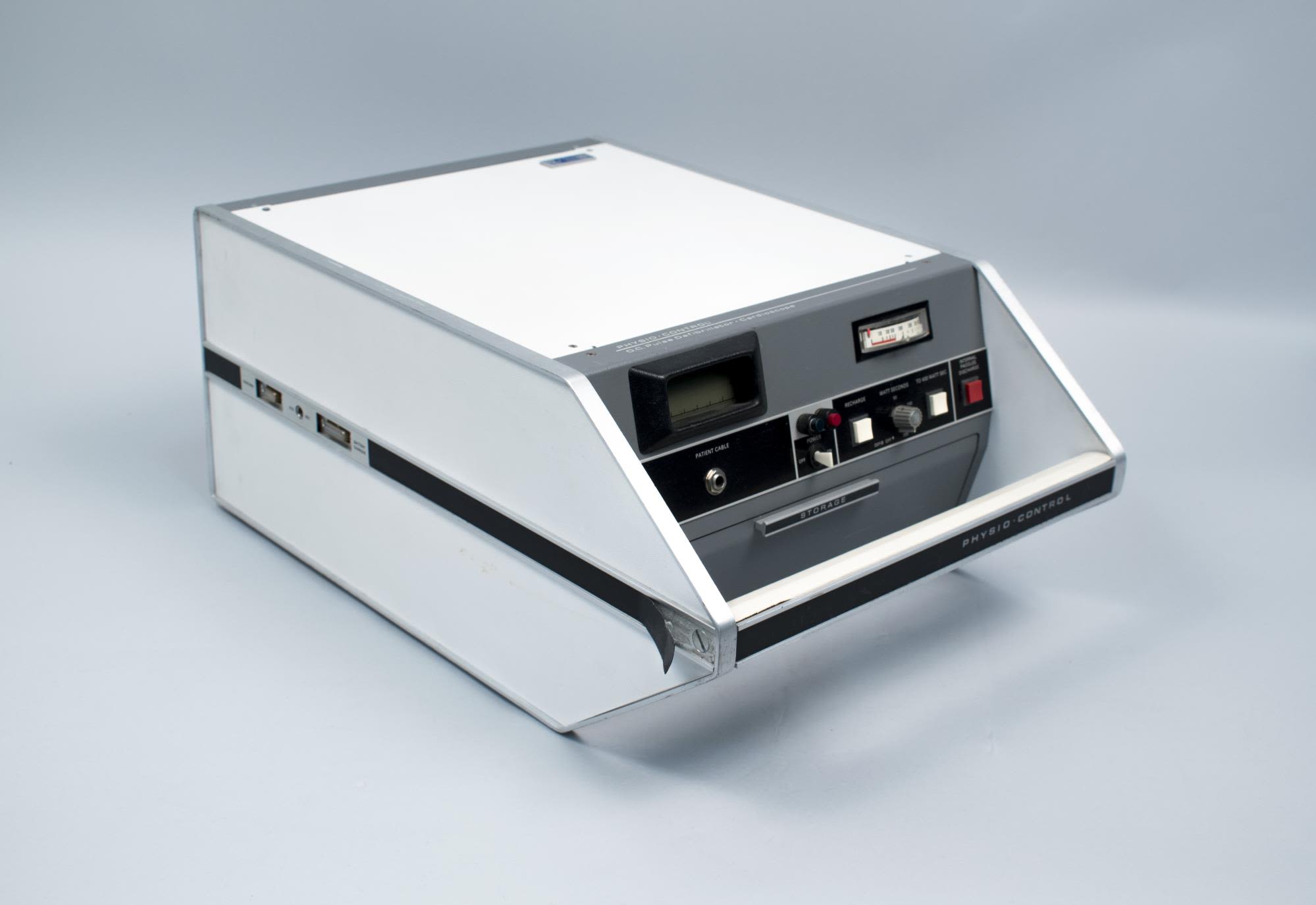
In 1974, Physio-Control, a medical technology company that had inspired Bill Gates as a high school student, moved to Redmond, WA. It was one of the first companies to expand to the Eastside.

At the same time, MicroRim, also based in Bellevue, became an early leader in database software, creating R:Base, one of the first relational databases for personal computers.
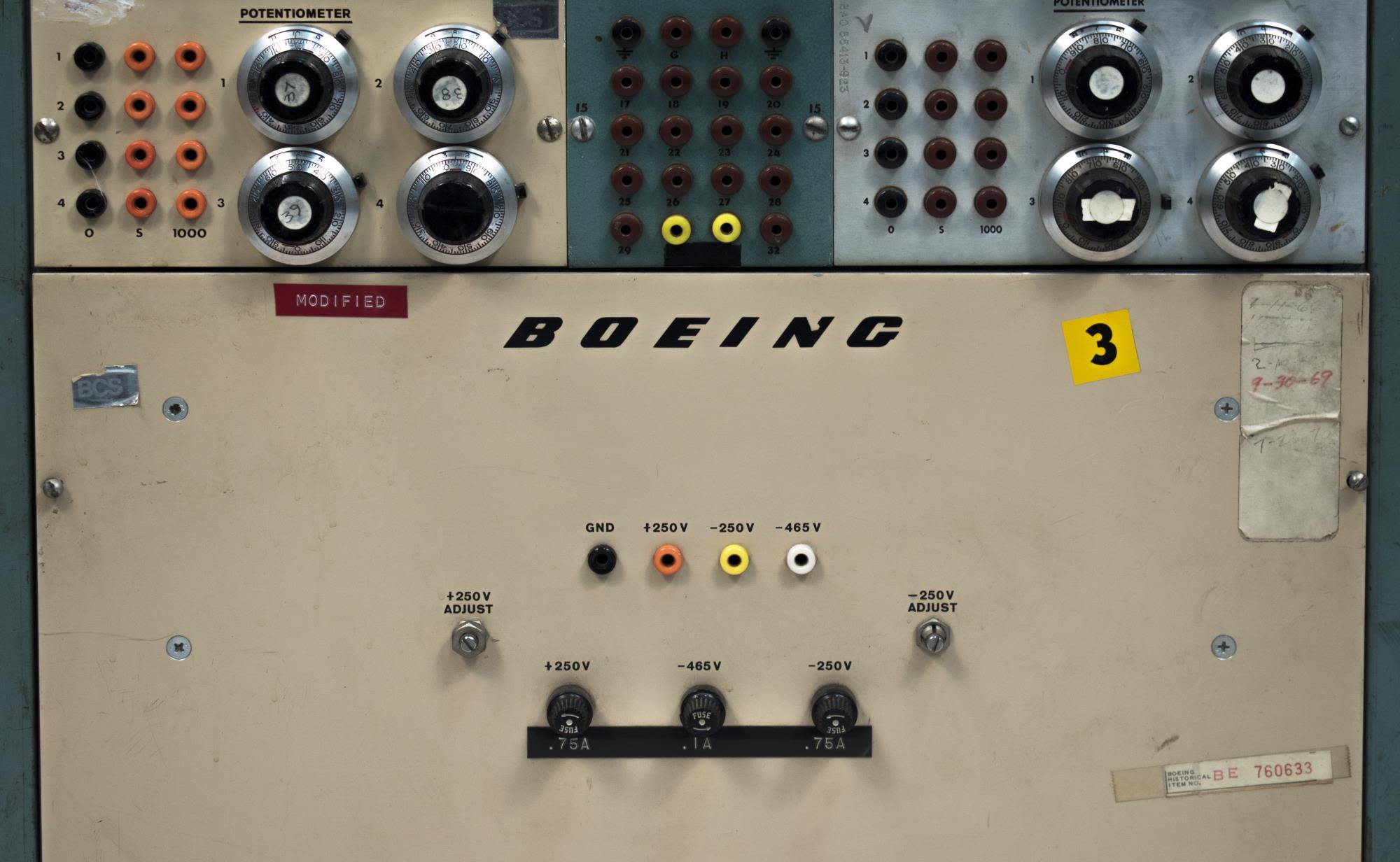
Meanwhile, in Tukwila, WA, Boeing Computer Services focused on aerospace computing, helping Boeing develop cutting-edge aircraft technology while also offering computing services to other businesses.

Seattle Computer Products (SCP) began in north Seattle, but soon moved to Tukwila.
The company started making computer boards, but then expanded into software. They developed 86-DOS, an operating system for Intel 8086-based computers. In 1981, Microsoft bought the rights to 86-DOS, re-branded it as MS-DOS, and licensed it to IBM for its first IBM PC—a move that would launch Microsoft to worldwide success.

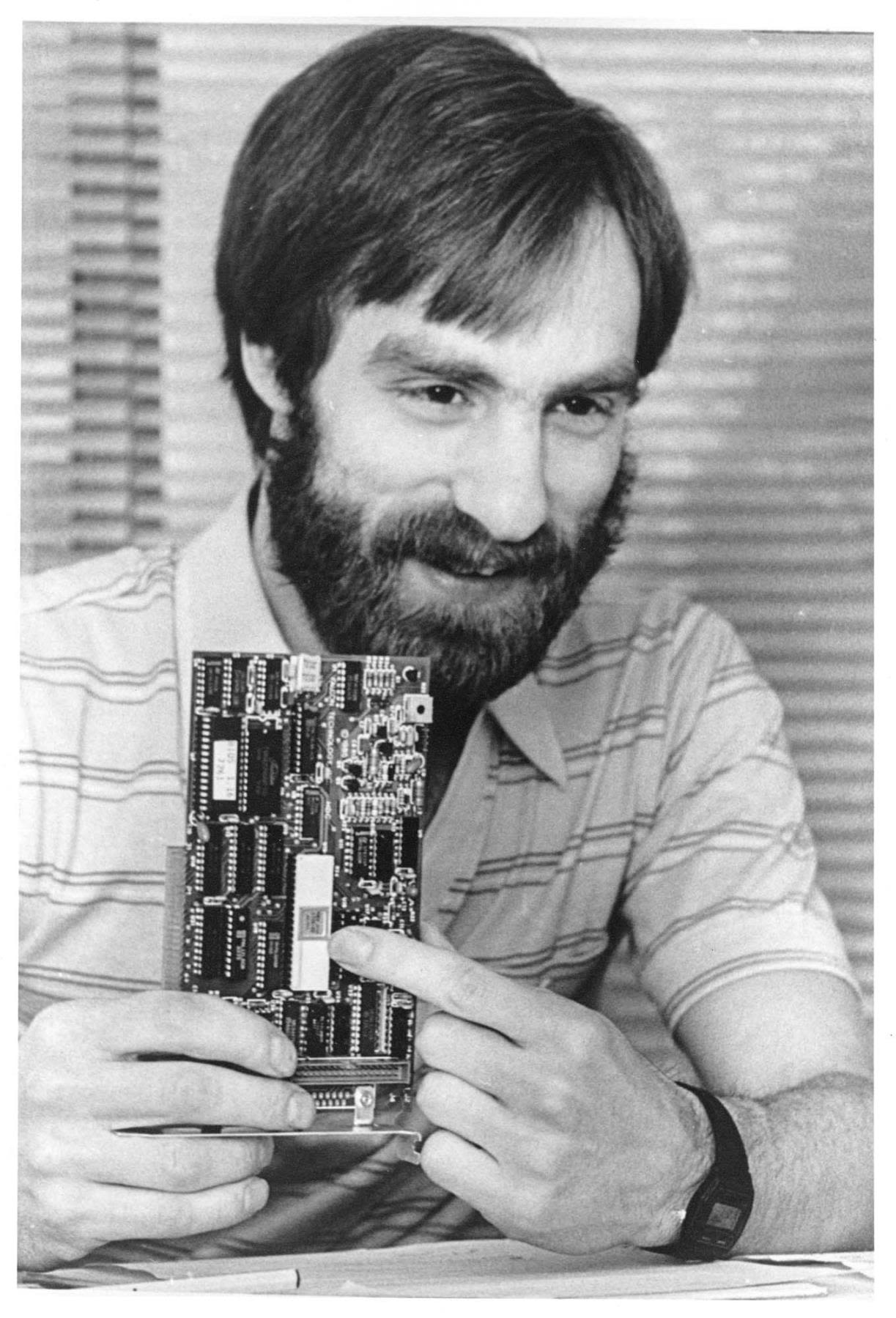
Tim Paterson, original author of MS-DOS, Tukwila, February 10, 1986. MOHAI, Seattle Post-Intelligencer Collection, 2000.107.073.28.01, photo by Kurt Smith.
Tim Paterson, original author of MS-DOS, Tukwila, February 10, 1986. MOHAI, Seattle Post-Intelligencer Collection, 2000.107.073.28.01, photo by Kurt Smith.
John M. Fluke, Sr. founded what is now Fluke Corporation in Connecticut in 1947. In 1952, he moved his company to Seattle's Ballard neighborhood. By the late 1970s, Fluke Corporation was located in Everett. It continues to be a world leader in the design, manufacture and sale of electronic test and measurement equipment.



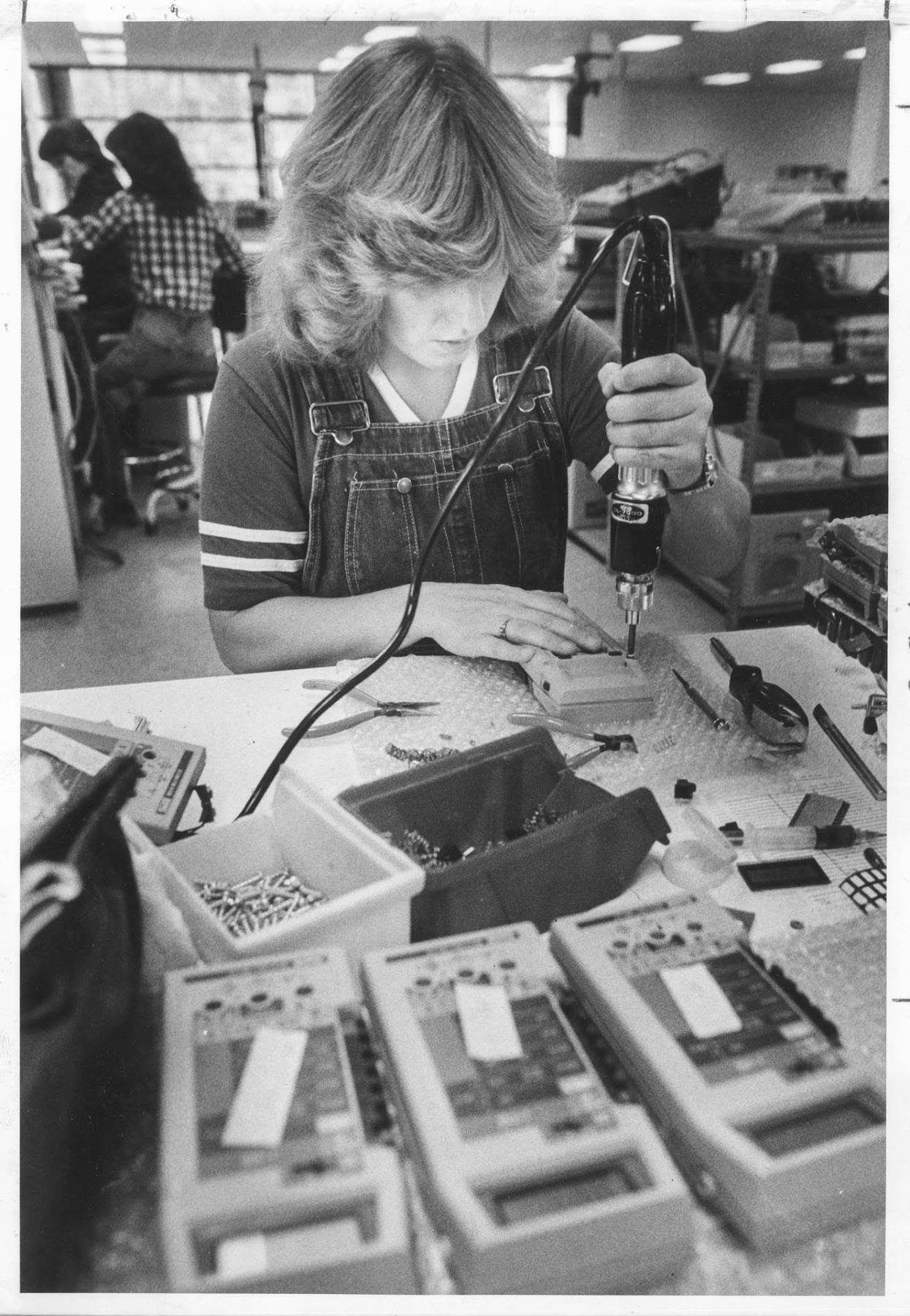
Employee working on digital meters at Fluke Manufacturing, October 29, 1981. MOHAI, Seattle Post-Intelligencer Collection, 2000.107.066.17.01, photo by Benjamin Benschneider.
Employee working on digital meters at Fluke Manufacturing, October 29, 1981. MOHAI, Seattle Post-Intelligencer Collection, 2000.107.066.17.01, photo by Benjamin Benschneider.

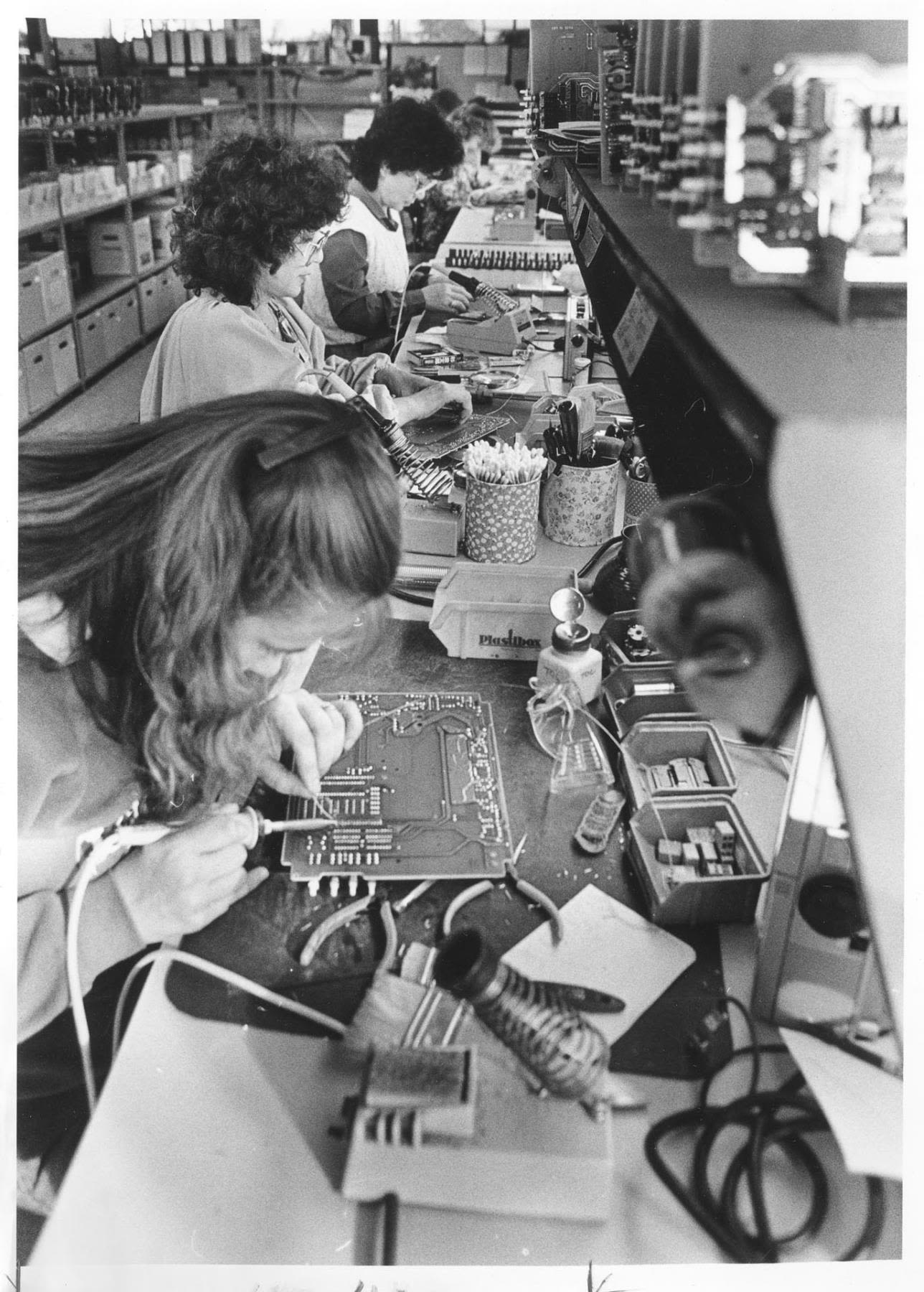
Employees working on inspection line at Fluke Manufacturing, Everett, November 5, 1986. MOHAI, Seattle Post-Intelligencer Collection, 2000.107.066.17.04, photo by Grant M. Haller.
Employees working on inspection line at Fluke Manufacturing, Everett, November 5, 1986. MOHAI, Seattle Post-Intelligencer Collection, 2000.107.066.17.04, photo by Grant M. Haller.
These companies, along with Microsoft, were the core of a newly developing network of computer companies.
Building a Campus



Redmond
In 1986, Microsoft reached a new stage of growth, moving its headquarters to a new campus in Redmond, Washington, and debuting on the stock market on March 13.
This milestone set the foundation for Microsoft to grow into one of the world’s leading tech giants.

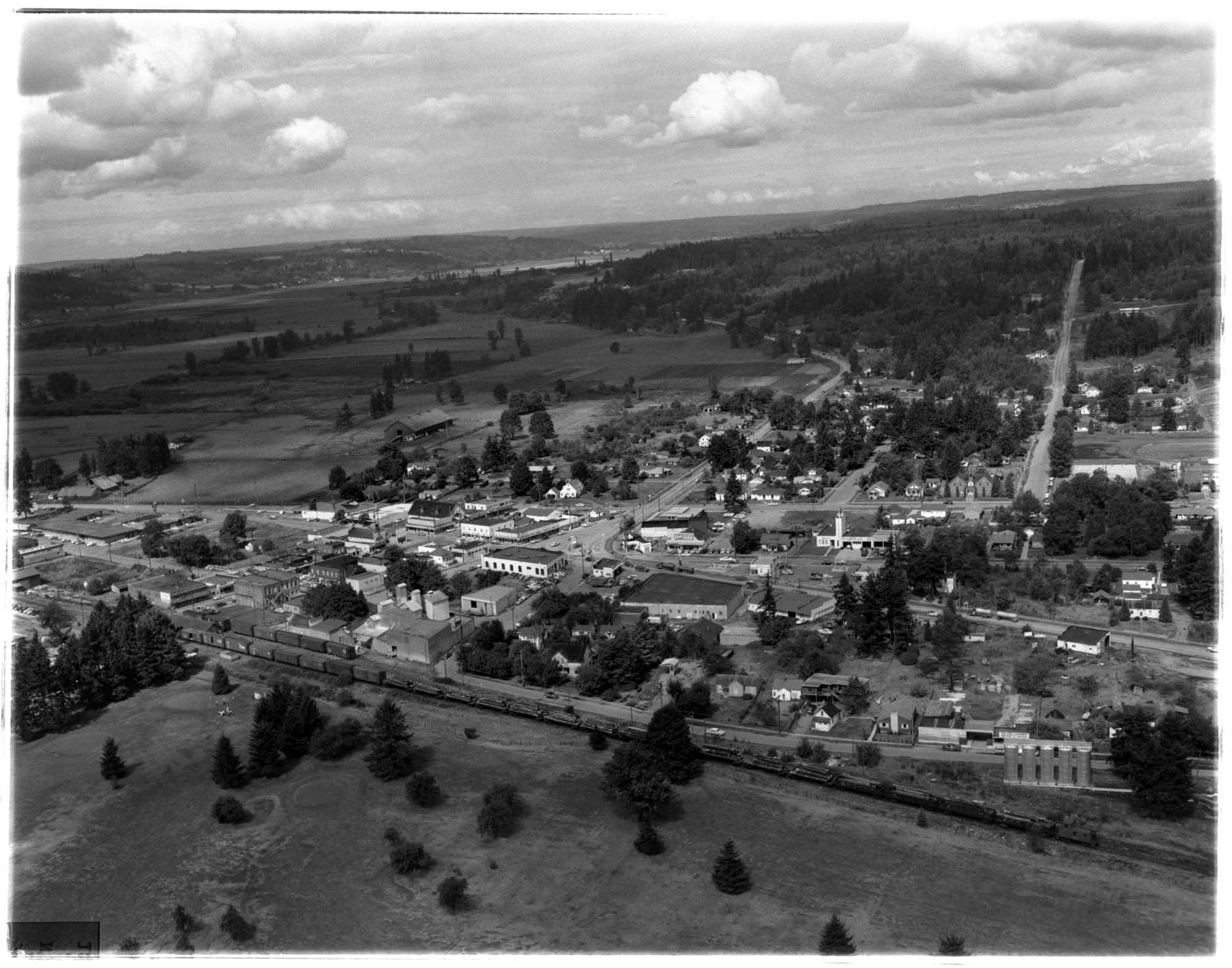
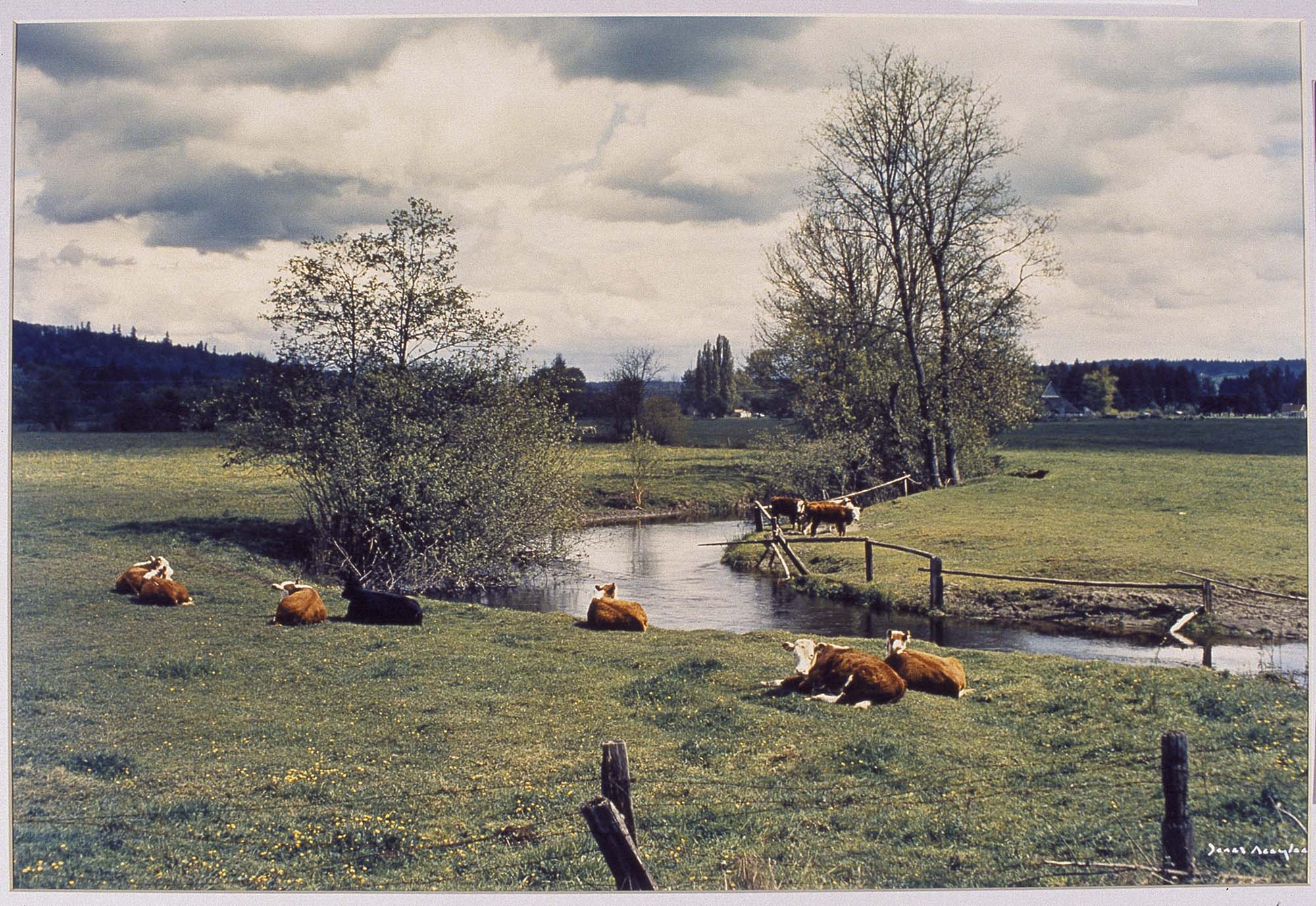
Before Microsoft moved to Redmond in 1986, the city was a small, rural town known for logging, farming, and equestrian culture. In the early 1900s, it thrived as a logging and sawmill town, later shifting to agriculture.
By the 1960s and 1970s, suburban growth began, but Redmond remained mostly quiet until tech companies, led by Microsoft, transformed it into a technology hub.
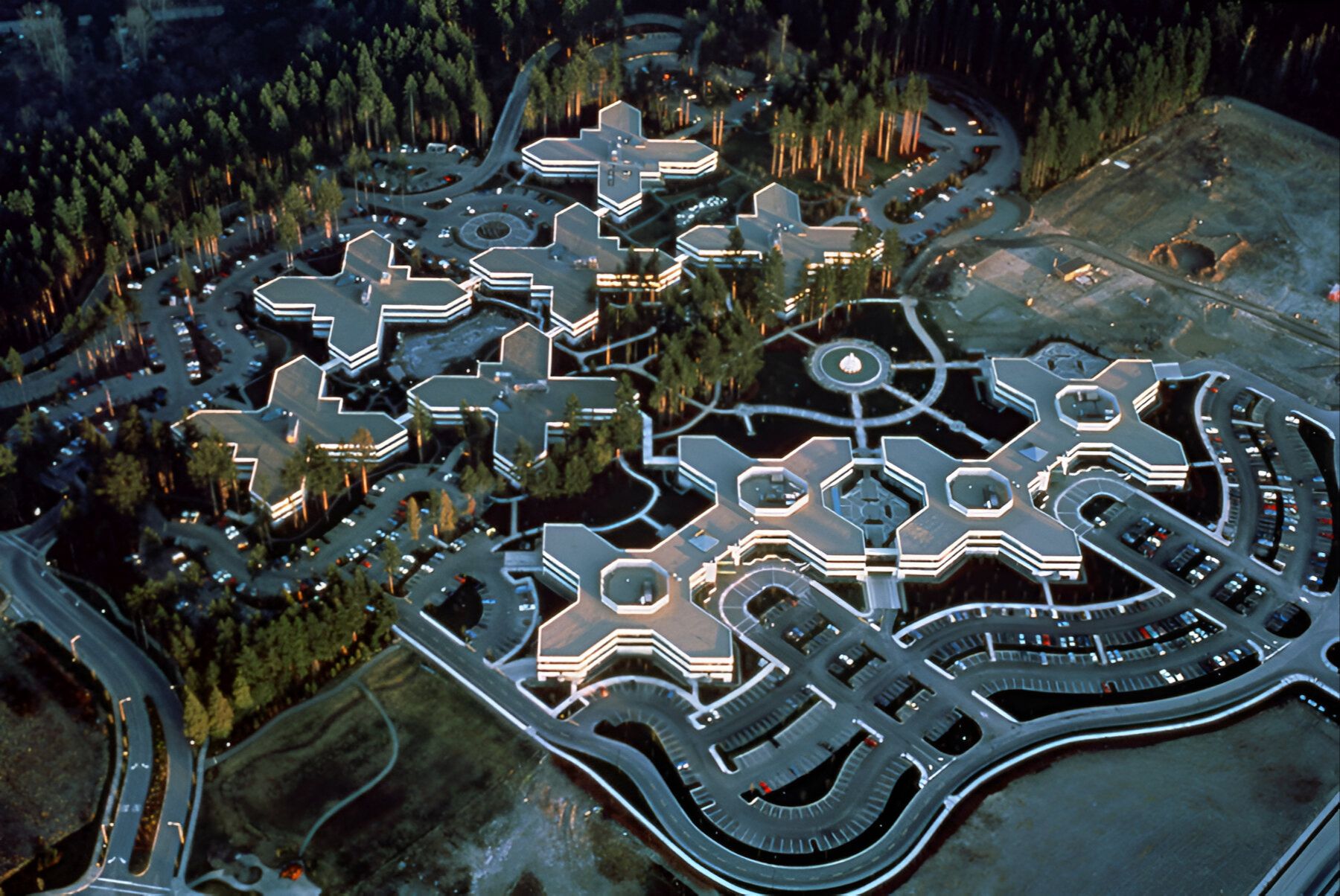
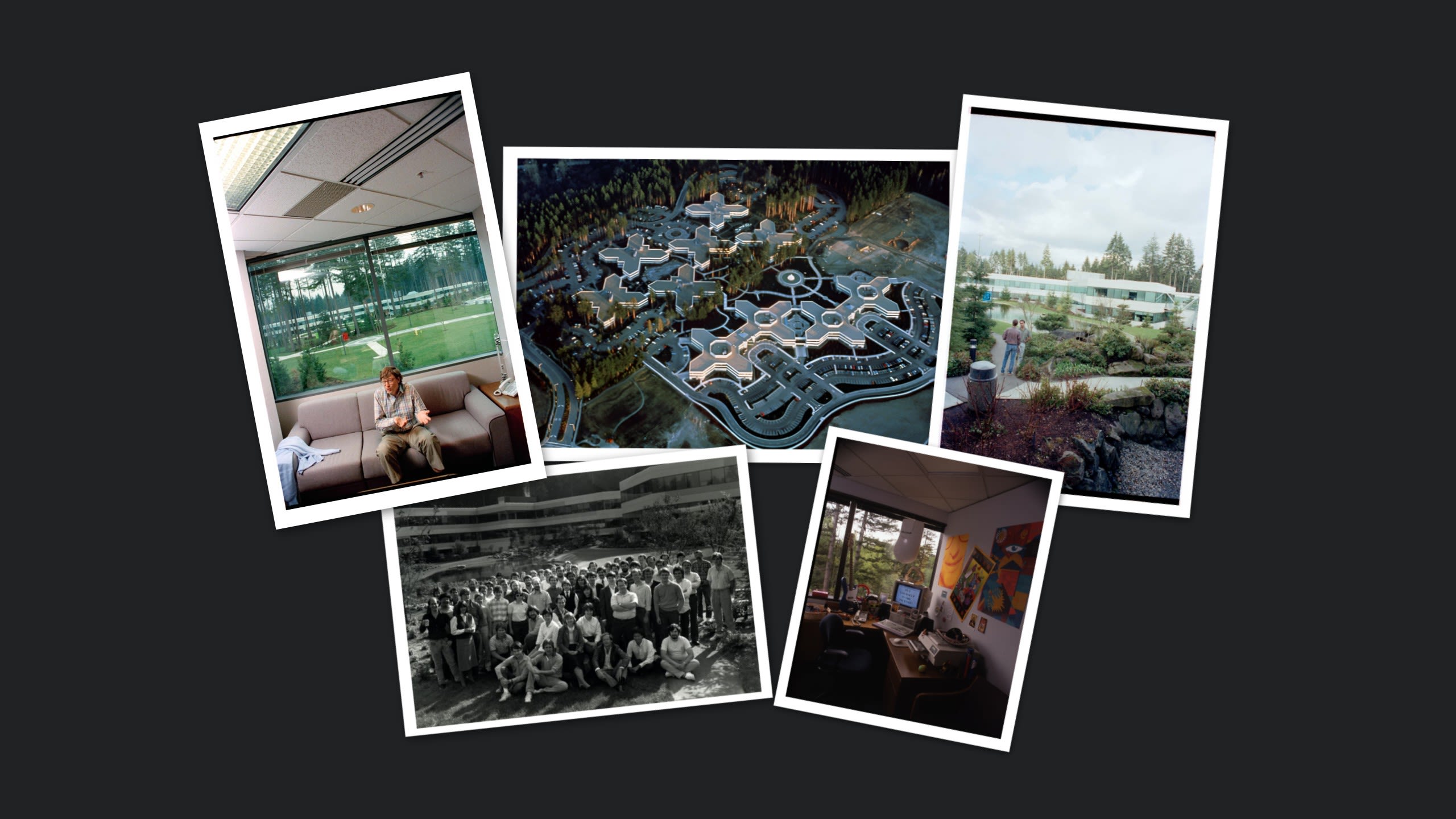
When Microsoft moved its headquarters to Redmond, Washington in 1986, it created a suburban-style campus that blended with the natural surroundings.
The first buildings were low-rise, simple, and functional, with concrete and glass exteriors that matched the company's tech-focused style. The campus was surrounded by forests, walking trails, and open green spaces, embracing the beauty of the Pacific Northwest.
Bill Gates at Microsoft campus, Redmond, 1991. MOHAI, Seattle Post-Intelligencer Collection, 2000.107.19910122.1.23, photo by Mike Urban.
Redmond Campus. Microsoft Archives.
Microsoft campus, Redmond, 1991. MOHAI, Seattle Post-Intelligencer Collection, 2000.107.19910310.1.04.
Microsoft's Application Development Team. SC0855 Richard William Weiland papers, 1969-2006, box 23, folder 3, Apps Development.Courtesy of the Department of Special Collections, Stanford University Libraries, Stanford, CA.
A typical Microsoft employee office in the 1990s. Microsoft Archives.
Portraits of the Tech Universe
Over the years, Seattle’s high-tech universe has grown. By the early 1990s, the city was becoming known nationally as a center of computer technology.
This 2015 map of over 600 companies shows the links between major anchor organizations, like Boeing and the University of Washington, and the many smaller companies that make the ecosystem so dynamic.
The Seattle Tech Universe, 2015. The Washington Technology Industry Association and Madrona Venture Group.
Microsoft grew out of this larger ecosystem. It has benefited from a pool of skilled people moving between tech companies and has also attracted new talent to the area.
Microsoft has expanded its products by acquiring Seattle companies that developed innovative technologies. Seattle Computer Products originally created the MS-DOS operating system, and Microsoft acquired Visio to bring advanced graphics to the desktop.
Meanwhile, many former Microsoft employees have gone on to start their own companies and organizations.
Microsoft continues to be closely tied to the larger network.
By 1996, more than 20,000 people in the Seattle region worked in information technology. A few years later, in 2004, the number had almost doubled. Today, some estimate that near 200,000 people in the region work in the tech ecosystem.
Tech companies have brought a lot of wealth to the area, but not everyone has benefited. Many people have struggled to find opportunities, and rising tech salaries have made housing and living costs go up, forcing some people to leave their neighborhoods. This has hit communities of color, including Black communities, especially hard.
The companies and organizations that make up the ecosystem have had a direct impact on the lives of hundreds of thousands of people. Indirectly, nearly everyone in the region is affected.
Here are brief portraits of a few people whose lives intertwined with the early development of the region’s high-tech network.

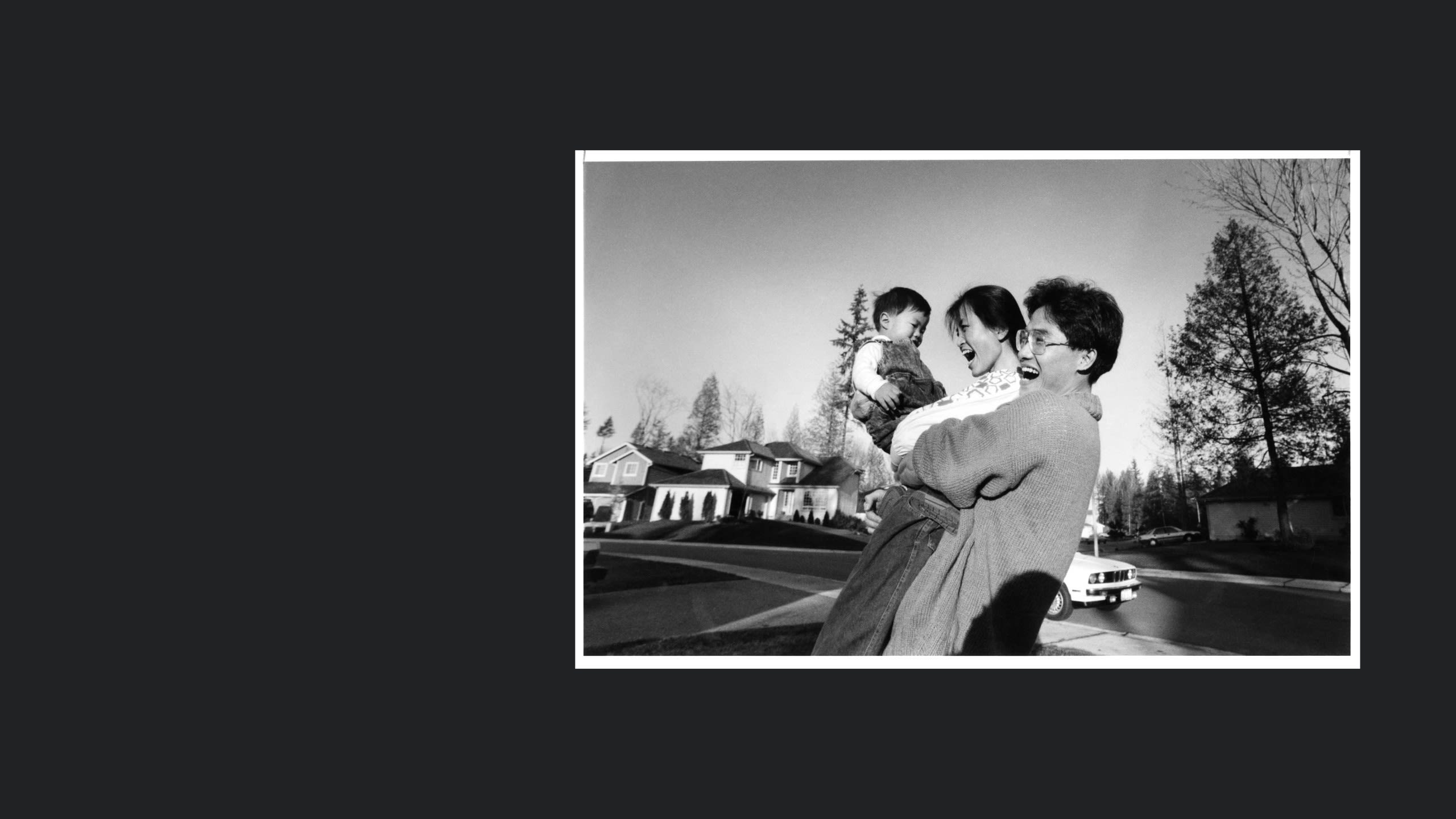

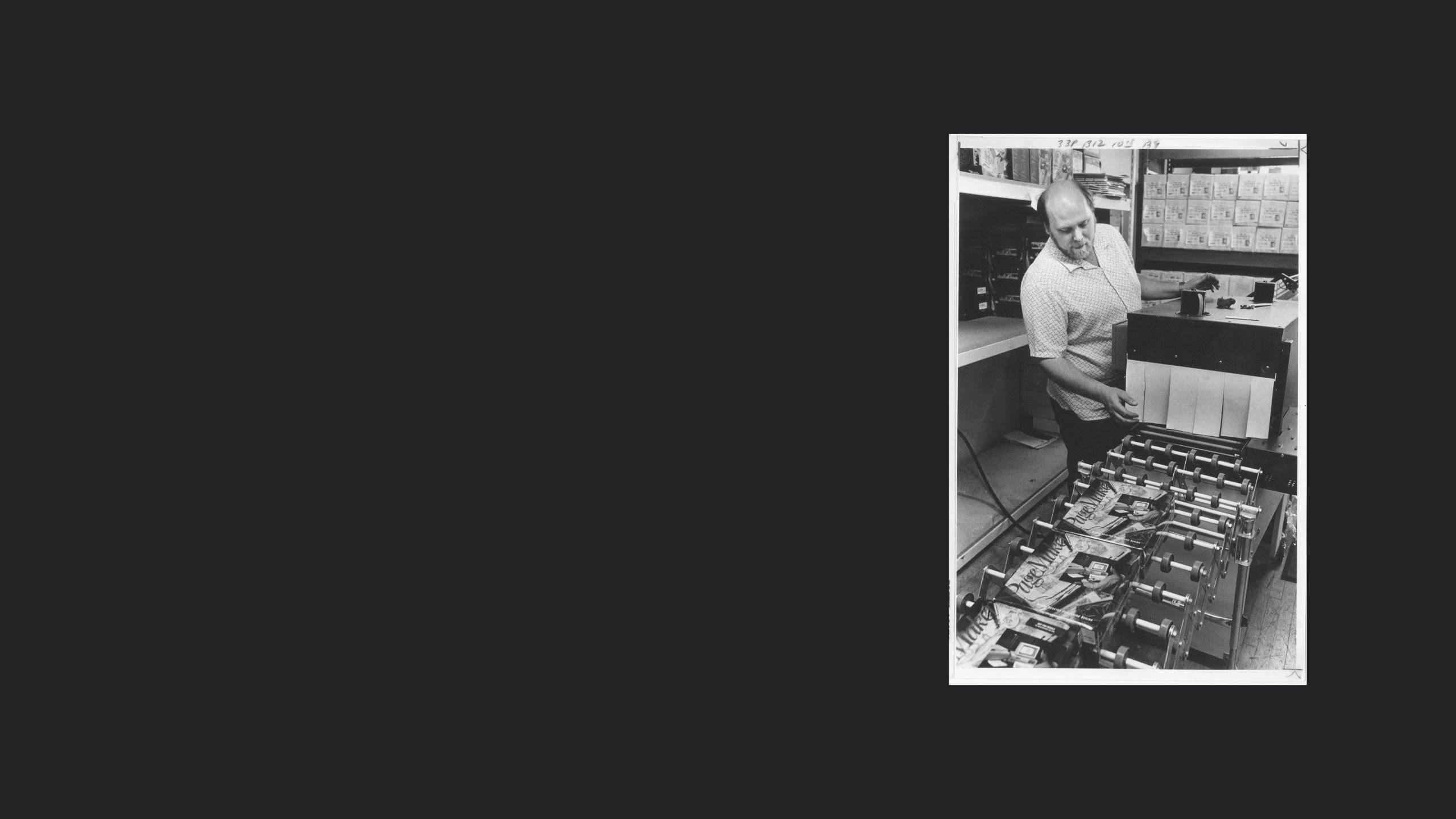

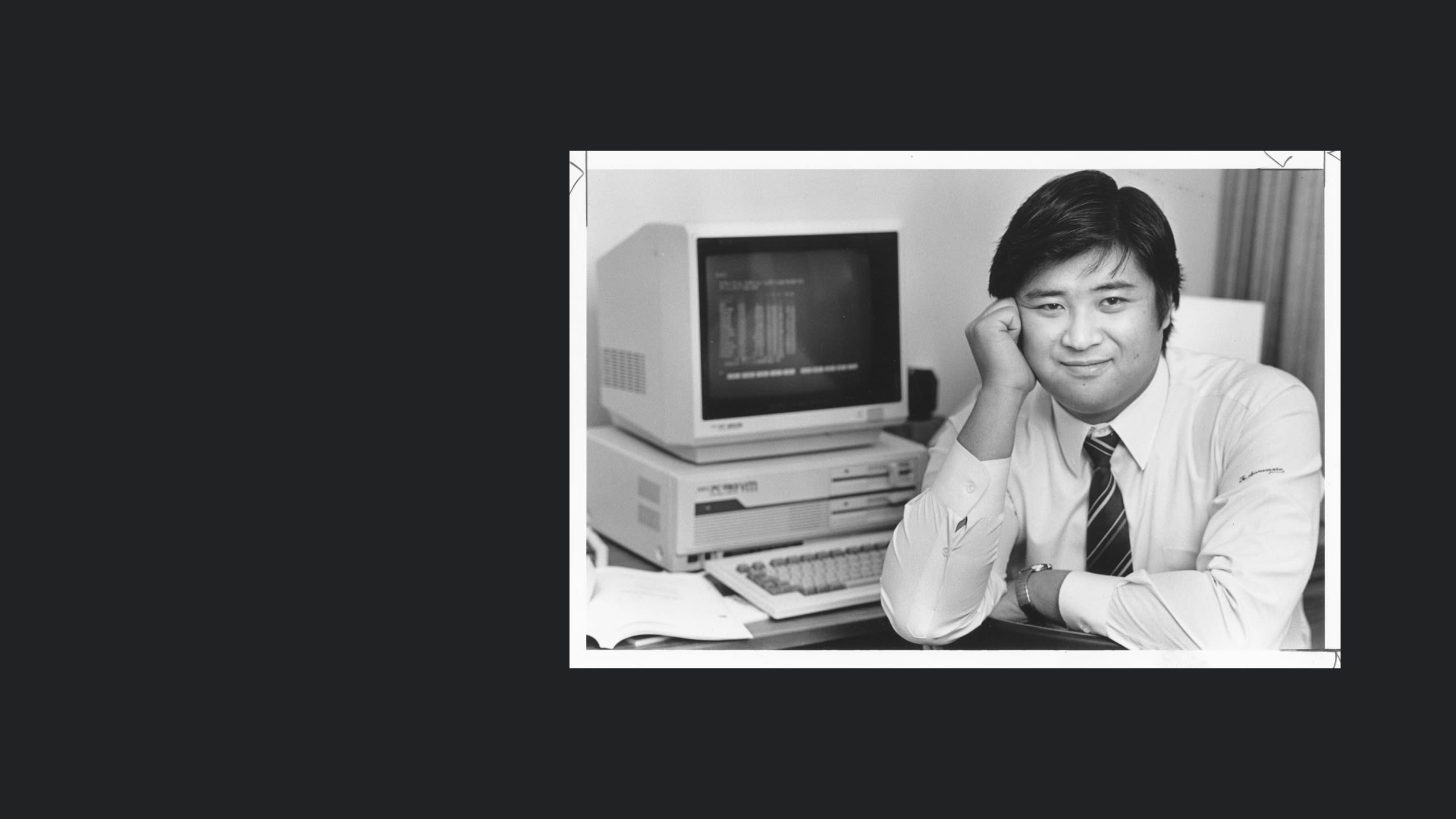



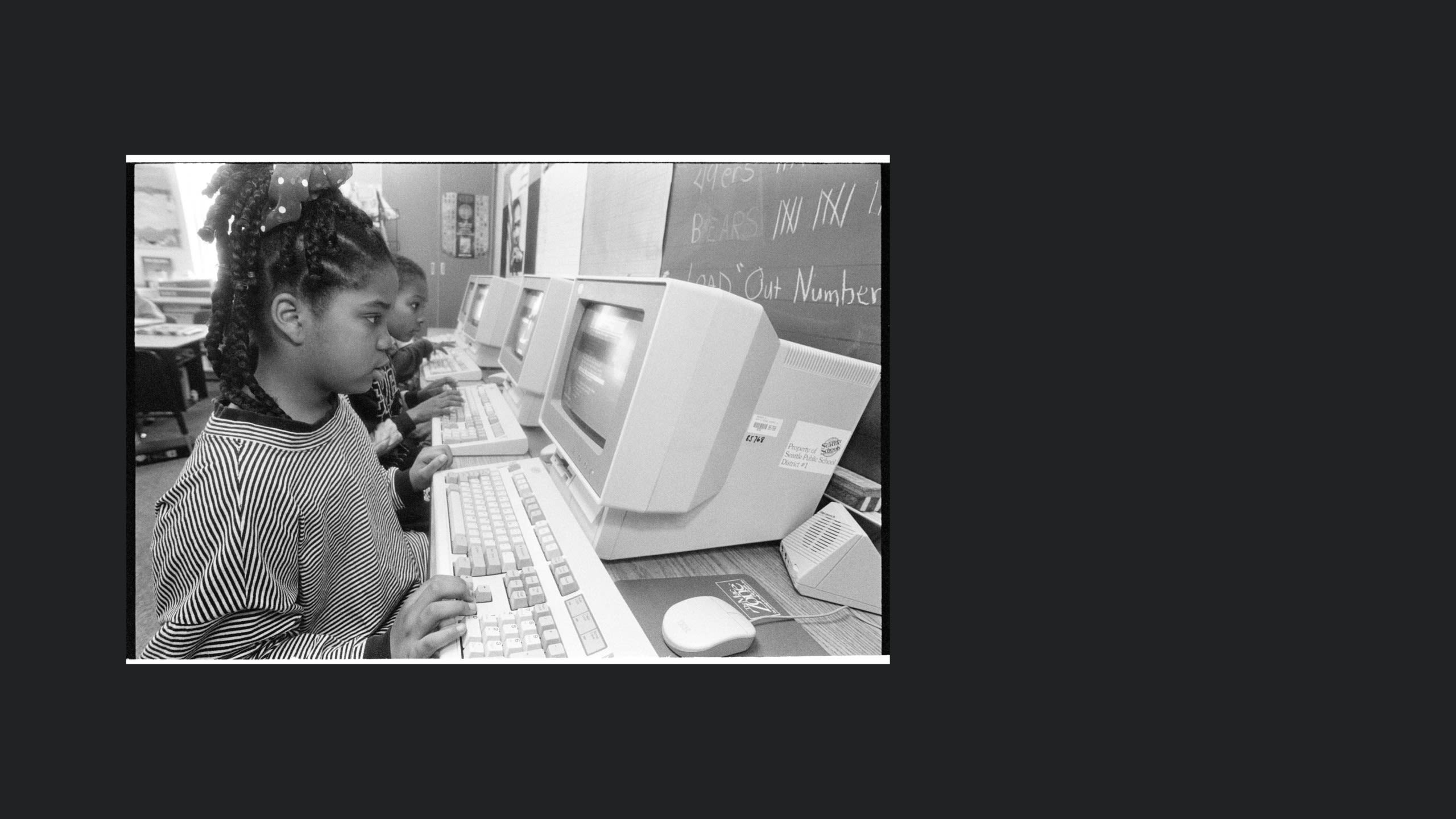



Edward Wang and his family in Redmond, February 1989
Edward Wang was born in Taiwan and moved to the US at age 30 to work as a salesman for Microsoft. Despite his family's urgings to remain home, Wang decided to leave in order to see other countries and advance in the world.
In this photo, Edward Wang laughs with his wife Fang-fang and their son E-shin outside their home in Redmond.
Production worker Steve Taylor at Aldus, checking packages of PageMaker, June 1, 1987
Aldus Corporation was a software company founded in Seattle by Paul Brainerd in 1984 that developed PageMaker, one of the earliest desktop publishing (DTP) software products, which was released in July of 1985. The company is named after fifteenth-century Venetian printer Aldus Manutius.
Three former Aldus executives (Jeremy Jaech, Dave Walter, and Ted Johnson) left the company to establish Axon Corporation, later known as Visio Corporation, in 1990 and created a product which later became known as Microsoft Office Visio. In 1995, Adobe acquired Aldus and continued to publish PageMaker until 2001.
Ken Sarumaru of Sun Grade, Inc., Bellevue, December 10, 1986
Early tech entrepreneur Ken Sarumaru (who has since changed his name to Kenichi Uchikura) has had several Bellevue-based software businesses including Sun Grade Inc., designed to connect software companies with Japanese markets. Uchikura founded Pacific Software Publishing in 1987 and is still operating out of Bellevue.
Mark Eppley of Traveling Software, December 21, 1990
Mark Eppley founded Traveling Software in Bothell in 1983 to create products to help people work remotely and move files between laptops and office desktops. The company was re-branded as LapLink.com in 1999, named after its most notable product at the time, and later software like PCmover helped keep the company profitable and growing. The company is still in business as Laplink, headquartered in Bellevue.
Colman Elementary School students working at computers, Seattle, February 8, 1993
In 1991, Seattle voters approved a $22 million levy to equip schools with classroom computers, but home access remained unequal. For example, by 1993 only 5% of students at Colman Elementary had computers at home. The school, now called Thurgood Marshall Elementary, is located in Seattle’s traditionally Black neighborhood of the Central District.
To help, the Seattle Public Schools partnered with local organizations the Union Gospel Mission and Seattle Learning Alliance to create an after-school program for students from Colman and another elementary at an area youth center.
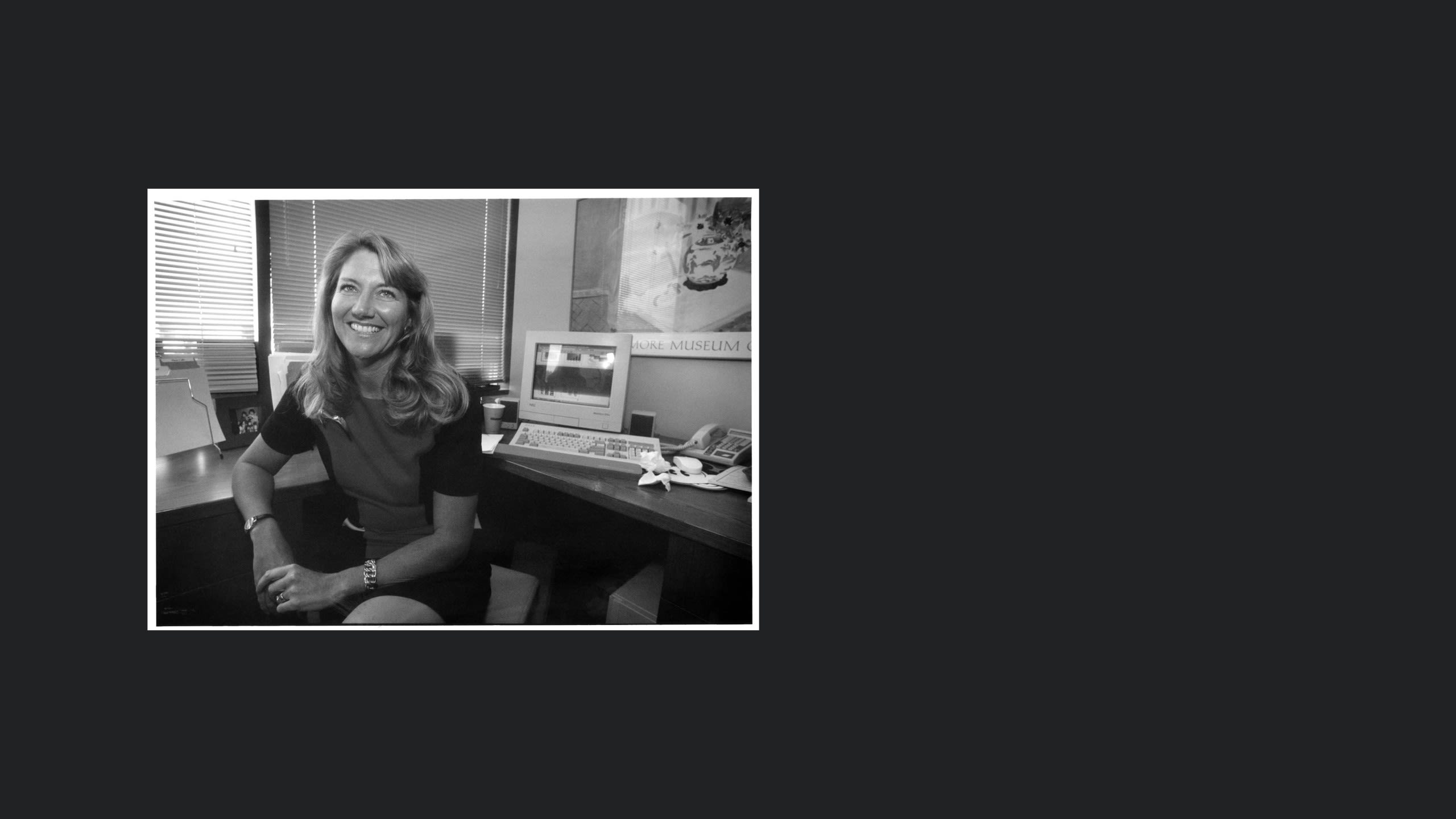
Charlotte Guyman, Director of Marketing for Microsoft consumer division, September 1993
Charlotte Guyman was Microsoft's consumer marketing director. She led Microsoft Home, launched in 1993 to shift the company beyond business software. The brand introduced user-friendly products like Encarta and Works for Windows.
She left Microsoft in 1999 and later became a director at Berkshire Hathaway, a board member at UW Medicine, and a trustee for Save the Children.
Charles Simonyi, February 7, 1991
Charles Simonyi is a software architect known for leading the development of Microsoft Word and Excel. Born in Hungary, he moved to the U.S. in 1968 and worked at Xerox PARC, where he led the team behind Bravo, the first WYSIWYG word processor.
Joining Microsoft in 1981, Simonyi became a key figure in application development and later contributed to Microsoft Research on "intentional programming." In 2002, he founded Intentional Software Corporation. A year later, he established the Charles and Lisa Simonyi Fund for Arts and Sciences, supporting arts, science, and education initiatives locally and globally.
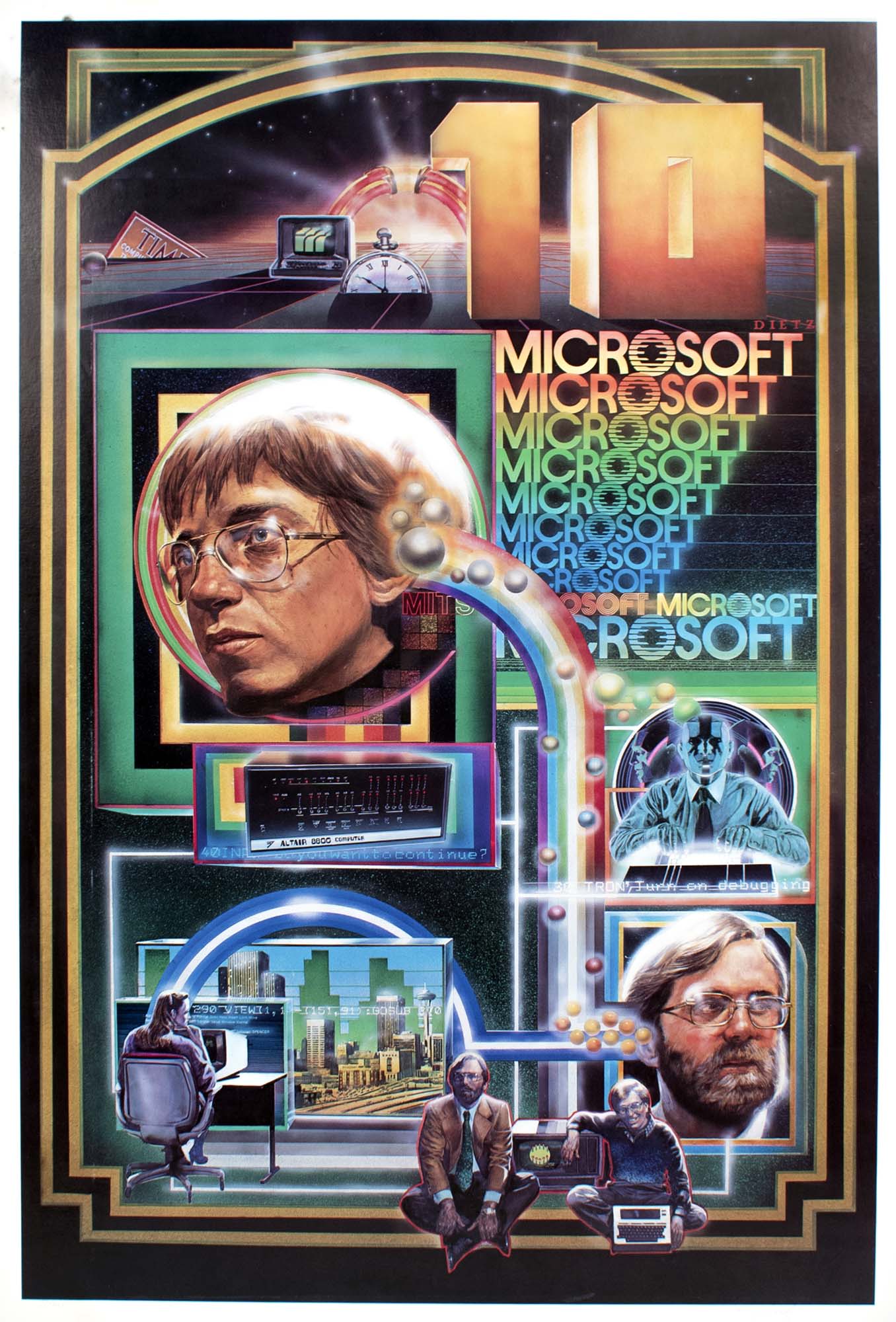
By its 10th anniversary in 1985, Microsoft had grown from a small startup to a major force in the software industry. With products like MS-DOS and Microsoft Word, the company was a driving force behind the rise of personal computers and was quickly becoming a household name.

Microsoft’s story is one of global impact, but it is also born of local experience- the places, people and ideas of the Seattle region. From a small group of friends passionate about computers to one of the world’s most influential companies, Microsoft grew alongside a changing city and a booming tech ecosystem. Together, they shaped each other and the way we all live, work, and connect today, changing the face of Seattle, contributing to a growing economy and global connection, even as others encountered increased income inequality, challenges of housing affordability, and the larger question of social media and its cultural impact. This exhibit explores the places and moments that made that story possible and invites you to consider, in a place like Seattle, where might the story go next?
Credits
This online exhibit was created by the Museum of History & Industry. It was curated and developed by Dave Unger in collaboration with museum staff.
Images provided by the Museum of History & Industry, Lakeside School, the University of Washington, Stanford University, and the Computer Museum.
For more information about MOHAI’s collections items, including rights and reproductions, see the museum’s collections and research page or click on the item link in the caption of a specific item.
 Built with Shorthand